
Wedding invitations list a dress code so guests know how polished to look without guessing. The wrong choice can feel awkward in photos or leave you overheated on the dance floor, while the right one lets you move easily and rewear the outfit later. This list organizes the most common 16 dress code wedding options from most formal to themed and relaxed, focusing on practical fabric behavior, length, and comfort for guest dresses rather than bridal gowns. Most pieces are available off the rack or with minimal alterations, and prices vary by designer, fabric, region, and any adjustments.
1. White Tie for Rare, High-Formality Evenings
White tie is the strictest code, reserved for grand ballroom or historic-venue weddings that start after dark. Guests need a floor-length evening gown in structured silk or satin that holds its shape through a long reception; the fabric’s crisp hand prevents clinging while you stand for the ceremony and sit for dinner. Men traditionally wear a tailcoat with white waistcoat and bow tie. The overall effect is elegant without excess movement, so choose a silhouette that allows easy walking down an aisle.
Rare venue match Ideal for evening ballrooms or formal estates where the invitation specifies white tie.
Structure that lasts Look for satin or silk with light boning so the bodice stays smooth during hours of sitting and standing.
Heel and clutch test Pair with closed-toe heels and a small evening bag; practice sitting to confirm the hem clears the floor cleanly.
2. Black Tie for Classic Evening Celebrations
Black tie signals an elevated evening wedding, often in a hotel ballroom or upscale indoor space. A floor-length gown in fluid crepe or rich satin works well because the material drapes without stiffness yet resists wrinkling from car travel. Guests can also choose a polished midi if the fabric feels substantial. The code expects polished accessories, but modern versions allow more color and texture than white tie while still keeping the look refined for photos.
Evening fabric choice Crepe or satin holds its line through dinner and dancing without needing constant adjustment.
Movement on the floor Test a twirl and a seated position in the fitting room so the skirt doesn’t pool or restrict steps.
Budget-friendly formal Off-the-rack options in quality fabrics often land in a mid-to-higher range and can be reworn for other evening events.
3. Creative Black Tie with Personal Texture
Creative black tie keeps the formal evening tone of a tuxedo or gown but invites texture and subtle personality, common at stylish hotel or gallery weddings. Velvet, sequined panels, or structured organza add visual interest while remaining appropriate; the fabric should still feel dressy rather than costume-like. This code works well when the couple wants guests to enjoy the celebration without rigid rules, yet the overall silhouette stays elevated.
Texture that photographs Velvet or light beading catches light nicely in evening photos without overwhelming the look.
Heat and weight note Heavier textures can feel warm indoors; choose a lined version that still breathes.
Accessory lift A distinctive clutch or earrings elevates a simpler gown if the invitation leans creative.
4. Black-Tie Optional for Flexible Formal Nights
Black-tie optional appears on invitations for elegant evening weddings where a tuxedo is welcome but a dark suit is also fine. Guests can wear a floor-length gown or a refined midi in matte crepe or soft charmeuse; the fabric’s fluid drape looks intentional without the full formality of white tie. The code gives breathing room on length and color while still expecting polished shoes and minimal casual elements.
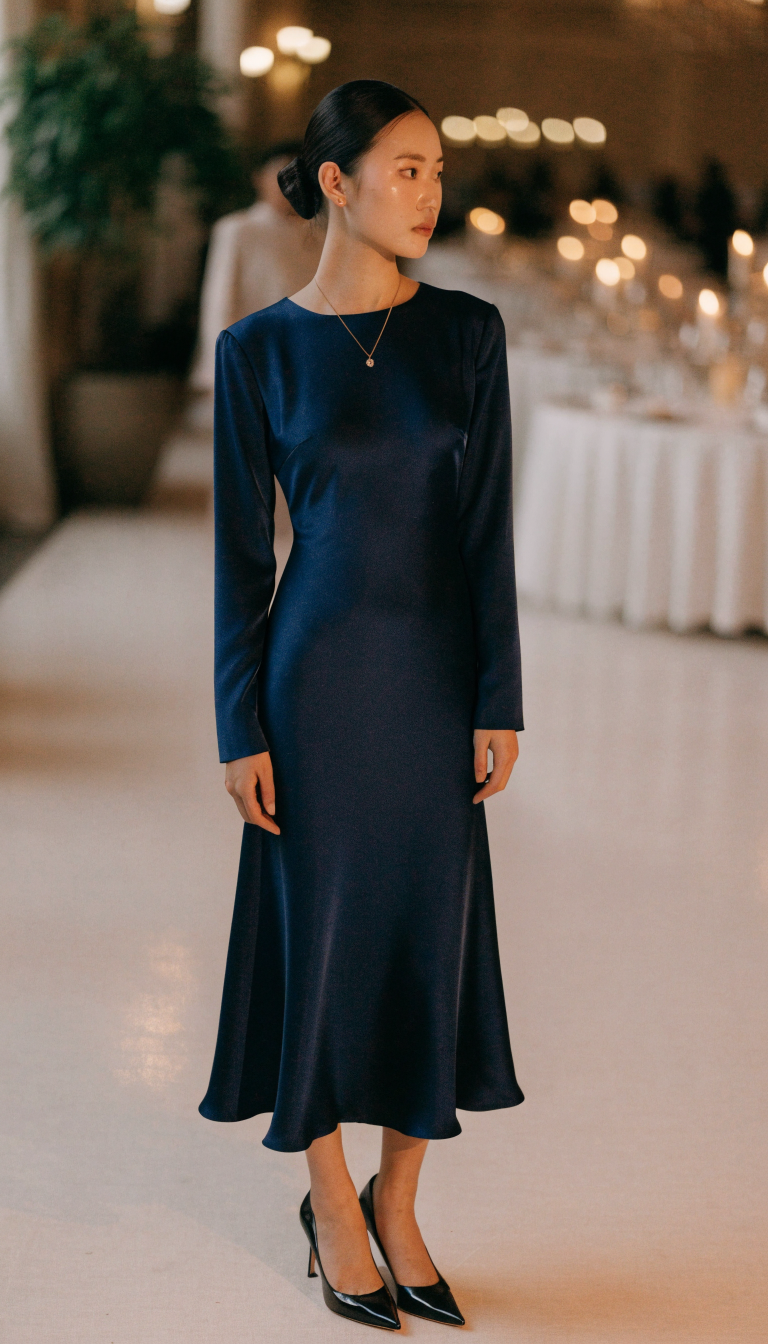
Length flexibility A midi works if the fabric and neckline feel dressy rather than everyday.
Undergarment support Built-in cups or a compatible strapless bra keep the bodice secure during dancing.
Alteration simplicity Most need only a hem or side seam tweak, keeping the timeline short before the event.
5. Formal Attire for Polished Indoor Events
Formal attire sits just below black-tie optional and suits daytime or early-evening weddings in hotels or garden venues with covered receptions. A knee-to-midi dress in structured crepe or lightweight mikado (a firm, matte silk blend that holds shape) looks intentional and photographs cleanly. Men wear a dark suit and tie. The style balances elegance with easier movement than full gowns.
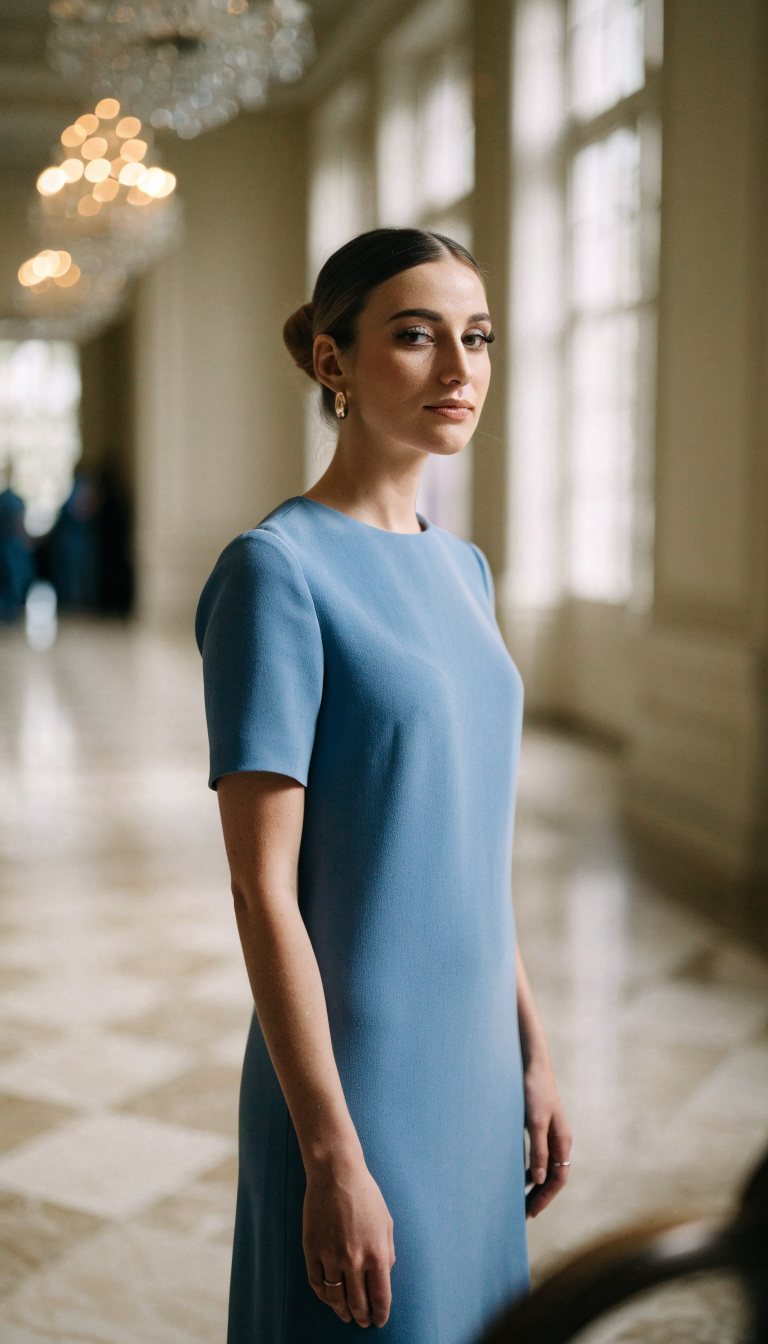
Venue and season fit Works well for indoor or shaded outdoor spaces where temperatures stay moderate.
Fabric that travels Mikado or crepe resists wrinkles better than soft chiffon during the ride to the venue.
Sitting and standing check Confirm the hem stays at a comfortable length when seated so you avoid constant tugging.
6. Cocktail Dresses for Celebratory Mid-Length Looks
Cocktail is one of the most frequently used 16 dress code wedding options and suits evening or late-afternoon receptions in restaurants, lofts, or garden tents. A knee-to-midi silhouette in crisp taffeta or fluid chiffon feels party-ready; taffeta adds structure and subtle shine, while chiffon moves lightly if the weather is warm. The length allows freer dancing and easier car entry than a floor-length gown.
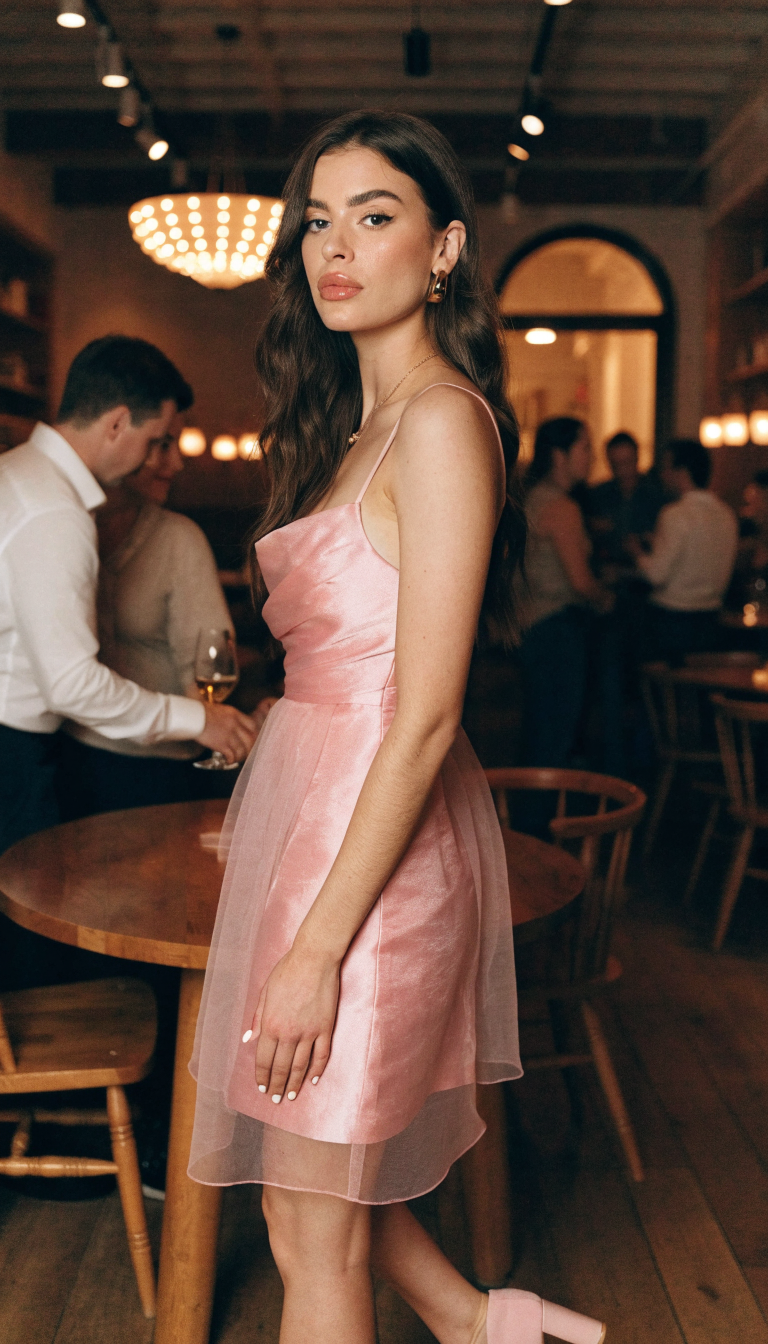
Dance-floor ease Midi lengths clear the floor so you can move without stepping on fabric.
Rewear potential Many cocktail styles transition to other events, making them practical for guest wardrobes.
Shoe pairing Block heels or dressy flats work if the venue includes grass or uneven surfaces.
7. Semi-Formal for Balanced, Comfortable Celebrations
Semi-formal signals a step down from cocktail and fits daytime or early-evening weddings at restaurants, vineyards, or community halls. A wrap-style midi or tailored jumpsuit in breathable georgette or soft crepe lets you sit, stand, and dance without restriction. The fabric’s light drape keeps the look polished while remaining comfortable for longer events.
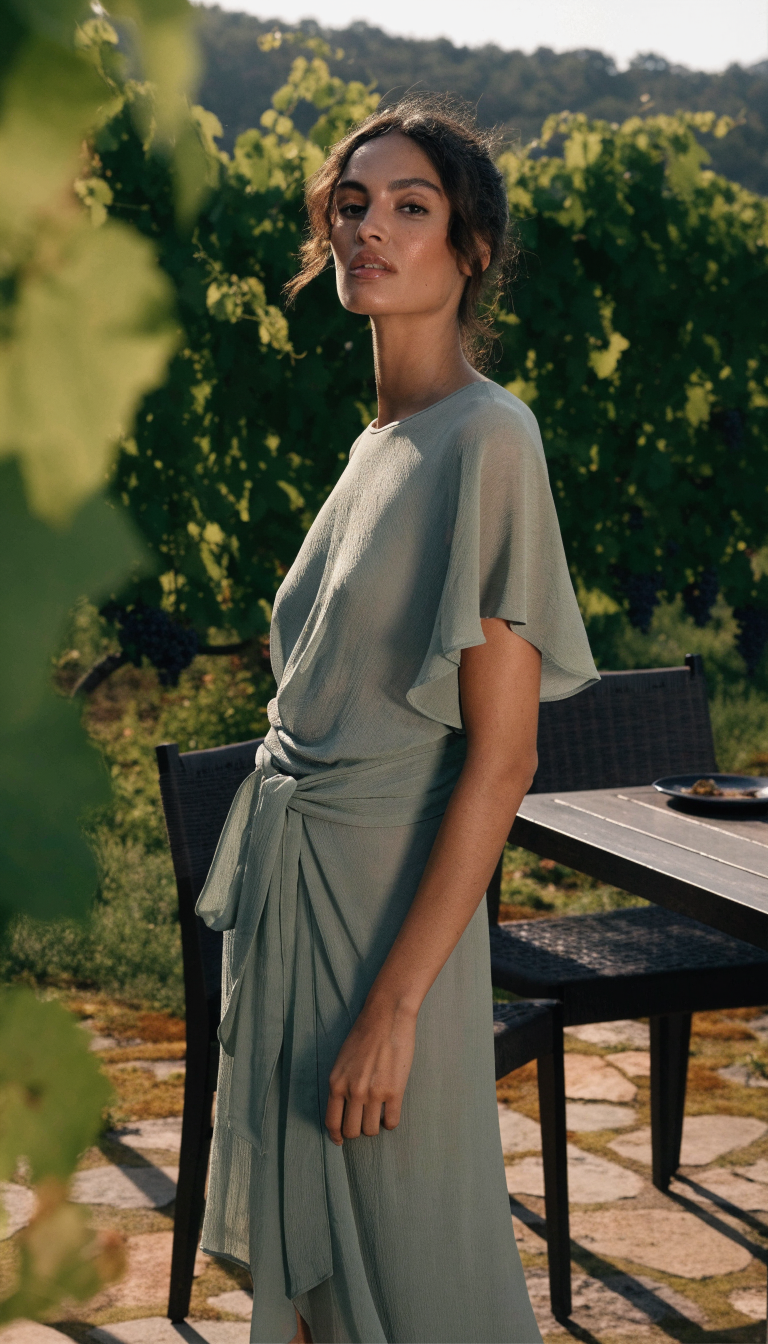
Climate-friendly drape Georgette moves with air flow, useful if the reception moves outdoors.
Bra compatibility Many necklines work with regular or convertible bras, reducing the need for special undergarments.
Hem and fit note A simple hem adjustment is usually enough; choose a size that allows easy movement rather than tight tailoring.
8. Dressy Casual for Elevated Everyday Fabrics
Dressy casual appears on invitations for relaxed daytime or backyard weddings. A sundress or smart separates in linen-blend or matte cotton look intentional when the cut is clean and the shoes are dressy rather than athletic. The fabric feels breathable and soft against the skin, ideal when guests will spend time standing in the sun or sitting on folding chairs.
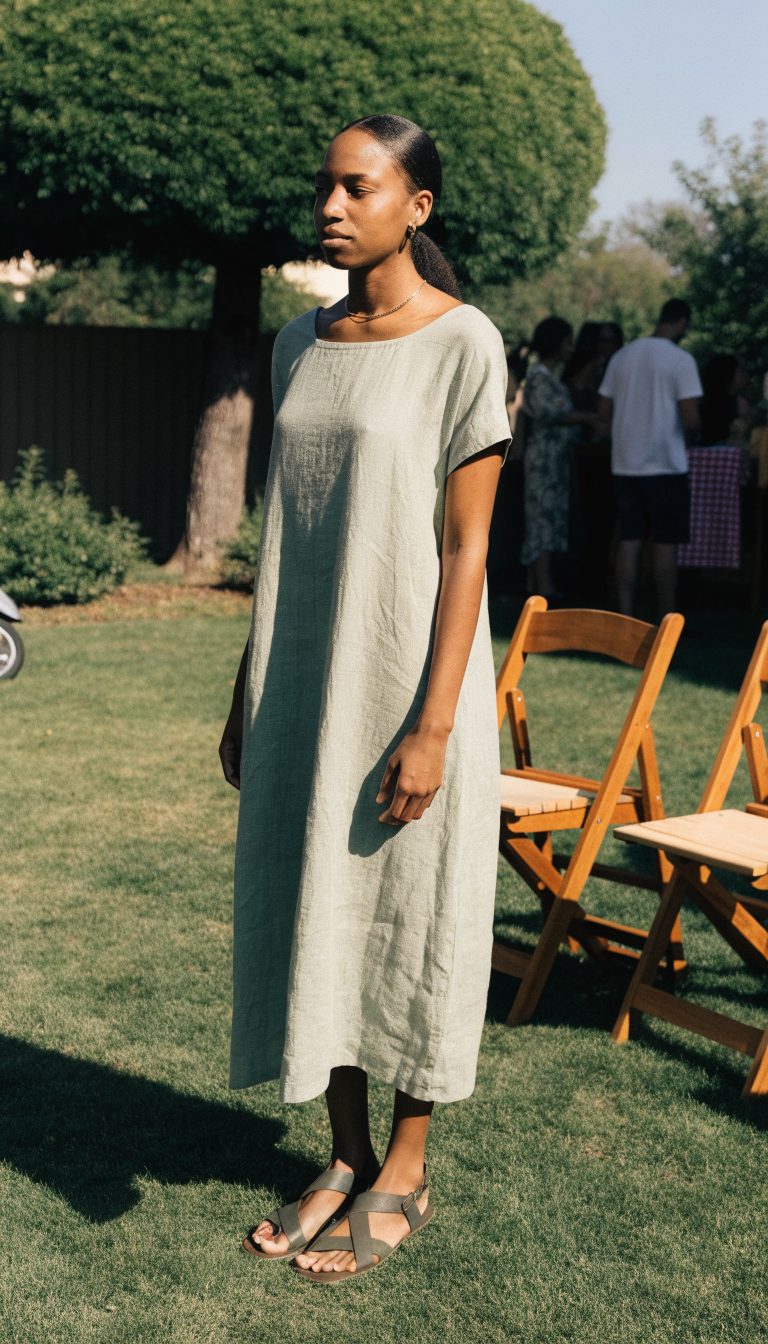
Outdoor comfort Linen blends wrinkle less when lined and stay cooler than heavier fabrics.
Footwear practicality Wedges or elegant flats prevent sinking into grass and allow walking between ceremony and reception.
Rewear focus These pieces often work for other warm-weather occasions, improving their value.
9. Smart Casual for Polished but Relaxed Settings
Smart casual bridges dressy casual and semi-formal and suits daytime weddings at parks, restaurants, or private homes. Tailored trousers with a silk blouse or a simple midi in lightweight crepe create a put-together look without full suiting. The fabric should feel smooth and structured enough for photos yet soft enough for extended wear.
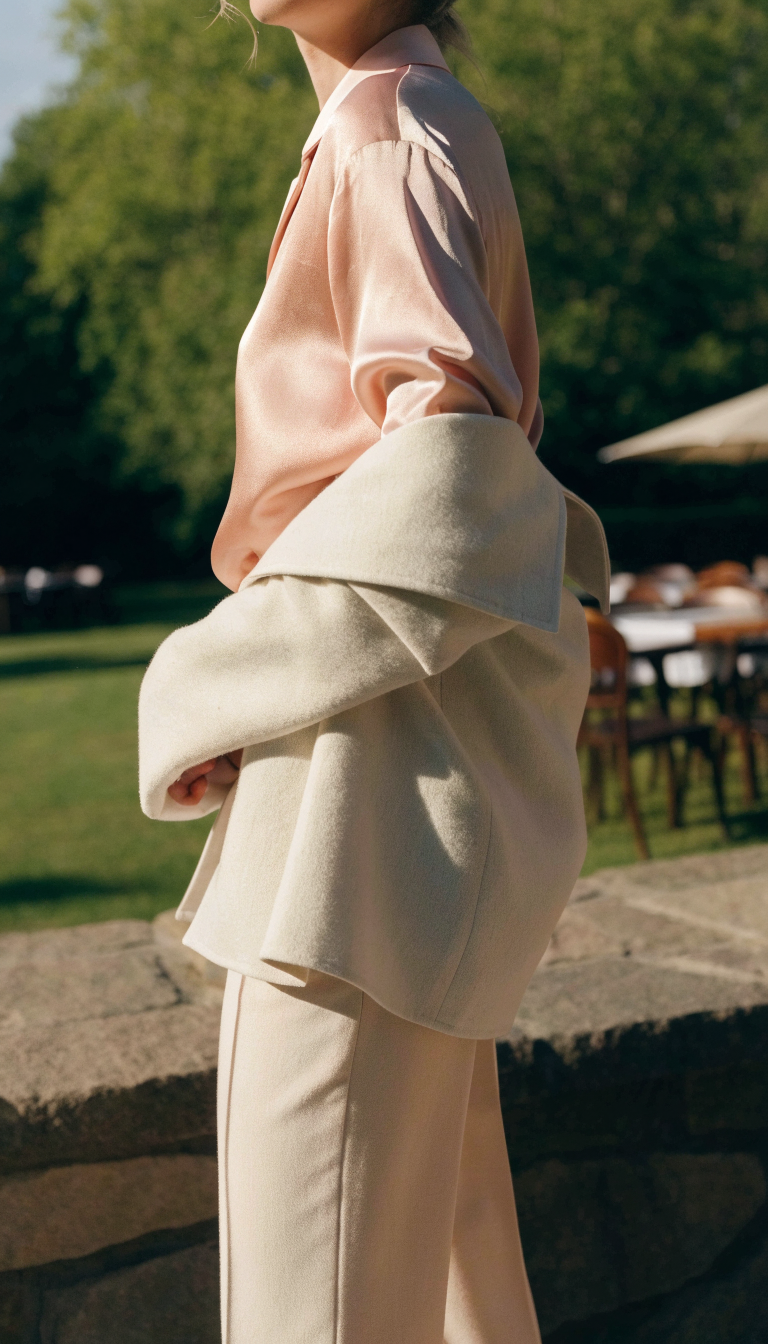
Layering option A light jacket or wrap can be added or removed as temperatures shift between ceremony and reception.
Movement trade-off Avoid overly structured pieces that restrict sitting or dancing on a casual venue floor.
Budget range note Many smart-casual styles are available off the rack at accessible price points and require little alteration.
10. Casual Attire for Low-Key Daytime Gatherings
Casual dress codes appear on invitations for small daytime or backyard weddings where comfort is prioritized. An elevated sundress or wide-leg trousers with a nice top in soft cotton or linen works when the silhouette is neat and the shoes are clean. The fabric should breathe and move easily so guests can enjoy food, conversation, and any outdoor activities without feeling overdressed.
Heat and fabric match Lightweight cotton or linen stays comfortable in warm weather and outdoor settings.
Undergarment lines Choose lined or opaque fabrics so everyday undergarments stay invisible.
Practical length Knee to midi lengths prevent tripping on uneven ground or grass.
11. Beach Formal for Coastal or Destination Settings
Beach formal is a common themed code for seaside or resort weddings. A flowing midi or maxi in breathable chiffon or soft crepe looks polished while allowing air movement; the fabric’s light weight prevents sticking in humidity. Footwear should be flat or low sandals that handle sand, and the overall look stays elegant without heavy structure.
Sand and breeze note Fluid fabrics move with the wind but can show lines; a light lining helps.
Color and venue Soft pastels or jewel tones photograph well against sand and water without clashing.
Comfort priority Skip heavy embellishment that can feel hot or snag during outdoor movement.
12. Garden or Outdoor Chic for Daytime Nature Venues
Garden or outdoor chic suits daytime weddings on lawns, estates, or botanical settings. A midi or maxi in floral chiffon or lightweight organza creates movement without bulk; the fabric catches light softly and stays cooler than satin. Guests should consider ground surfaces when choosing shoes so heels do not sink.
Weather adaptability A light wrap or jacket handles temperature drops after sunset.
Movement on grass Test the hem length so it clears the ground when walking or sitting on chairs.
Modest or coverage options Cap sleeves or higher necklines work well if the venue is open and sunny.
13. Rustic or Country Styles for Barn and Vineyard Events
Rustic or country codes appear on invitations for barn, vineyard, or farm weddings. A midi dress or jumpsuit in soft denim-alternative fabrics, cotton lace, or lightweight linen feels appropriate when the cut is clean rather than costume-like. The materials are durable and comfortable for walking on uneven ground or spending time outdoors.
Venue surface match Flats or low wedges handle gravel, grass, or barn floors better than stilettos.
Fabric durability Cotton lace or linen blends hold up to movement and light dirt better than delicate silks.
Rewear and budget These styles often come from accessible retailers and can be worn to other casual events.
14. Festive Attire for Colorful, Joyful Celebrations
Festive dress codes invite brighter color, pattern, or texture for lively daytime or evening weddings. A midi or knee-length dress in vibrant crepe or printed chiffon works when the fabric has enough structure to look intentional. The code still expects polished shoes and a neat silhouette so the look celebrates without distracting from the couple.
Color and photo note Bold hues photograph well but should not overwhelm the overall guest appearance.
Dancing comfort Choose a fabric with stretch or easy drape so movement stays free.
Accessory balance Statement earrings or a colorful clutch can enhance a simpler base dress.
15. Daytime or Morning Dress for Traditional Formal Day Events
Daytime formal or morning dress codes appear on invitations for traditional daytime weddings, more common in some regions. A tailored midi or tea-length dress in structured crepe or matte wool-blend looks appropriate; the fabric holds shape for photographs and ceremony seating. Men often wear morning suits or dark suits. The code emphasizes polished daytime elegance rather than evening sparkle.
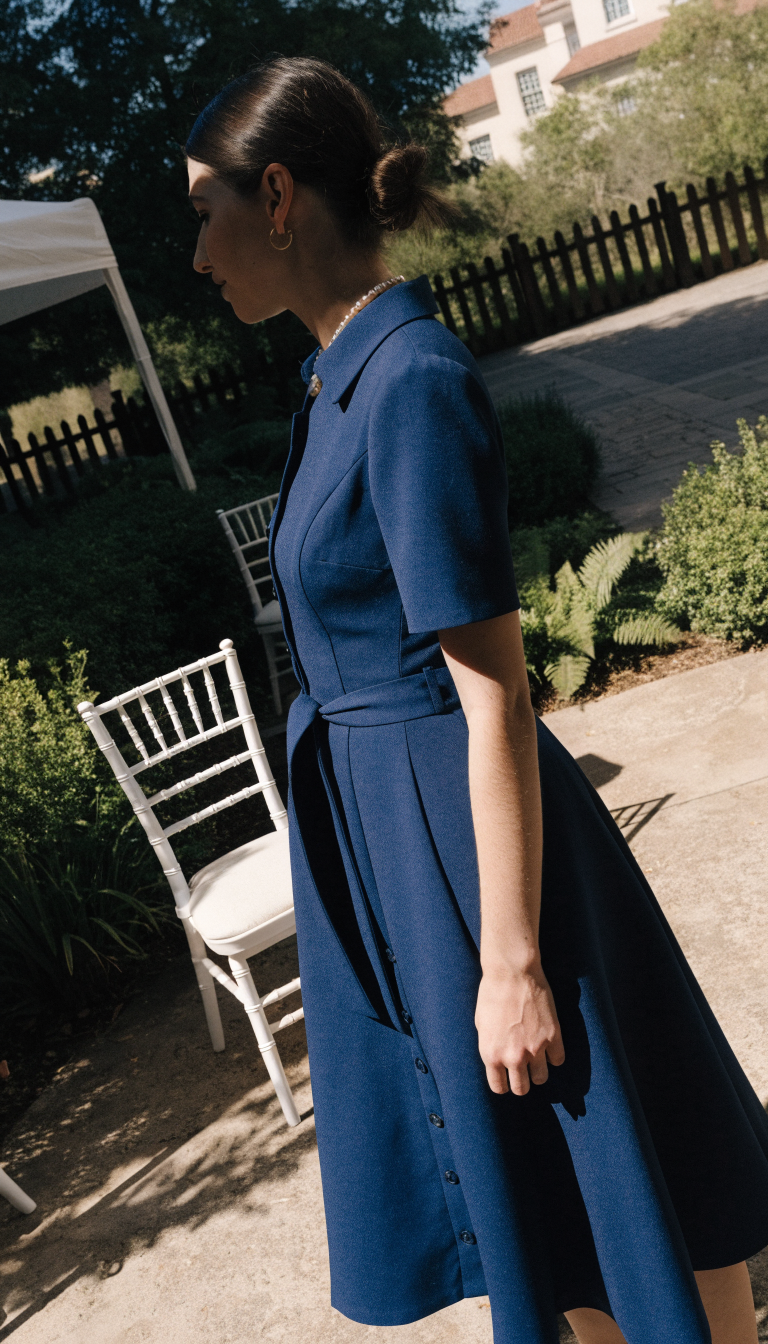
Daytime length Tea-length or midi hems suit daytime formality and allow easier movement outdoors.
Fabric structure Crepe or matte finishes photograph cleanly without excessive shine in natural light.
Fitting-room sit test Confirm the dress stays smooth and comfortable when seated for the ceremony.
16. Resort or Destination for Multi-Day Celebrations
Resort or destination codes cover multi-day weddings at hotels or warm-weather venues where guests need outfits that transition from ceremony to dinner. A lightweight midi in fluid chiffon or soft linen-silk blend feels dressy yet comfortable for travel and varying temperatures. The fabric should pack reasonably and resist heavy wrinkling so it looks fresh after a flight or long day.
Travel and packability Chiffon or linen blends recover better from packing than heavily structured fabrics.
Day-to-evening shift A simple jacket or wrap allows the same base outfit to move from ceremony to reception.
Comfort across activities Prioritize breathable materials and supportive shoes for walking between venues.
Quick Comparison of Common Codes
| Dress Code | Typical Length | Fabric Character | Heat Comfort | Alteration Needs |
|---|---|---|---|---|
| White Tie / Black Tie | Floor-length | Structured silk or satin | Moderate | Hem, bustle rarely |
| Cocktail / Semi-Formal | Knee to midi | Crepe, chiffon, taffeta | Good | Simple hem |
| Beach / Garden | Midi to maxi | Lightweight chiffon, linen | Excellent | Minimal |
| Casual / Dressy Casual | Knee to midi | Cotton, linen blends | Excellent | Rarely needed |
When the invitation arrives, note the time of day, venue type, and exact wording, then shortlist two or three styles that match. Bring the invitation details and a photo of the venue to any shopping trip so the salesperson can confirm fabric weight and length. Start looking at least a few weeks ahead for off-the-rack pieces, and try on with the shoes and undergarments you plan to wear.
FAQ
How early should guests start shopping for a wedding dress code? Most guest dresses are available off the rack, so two to four weeks is usually enough unless you need significant alterations or a specific color. Ordering online may add shipping time, so check return policies before purchasing.
Can the same dress work for more than one dress code? Yes, many midi styles in quality crepe or chiffon can shift from cocktail to semi-formal or garden by changing shoes and accessories. The key is matching the fabric weight and overall polish to the invitation’s wording.
What if the invitation does not list a dress code? Look at the venue, time of day, and any photos on the couple’s website. Evening hotel events lean formal or cocktail, while daytime outdoor settings usually allow dressy casual or semi-formal. When unsure, choose the slightly more polished option.