
Most bridal salons still open with floor-length white or ivory options, yet many brides find those choices limit movement, heat tolerance, or personal style once the day includes photos, sitting, and dancing. A non traditional wedding dress breaks at least one classic rule—color, length, silhouette, or construction—while still reading as intentional for the ceremony. The 17 styles below are grouped by the main departure, with notes on fabric behavior, venue suitability, and practical wear. Prices and lead times vary widely by designer, fabric, region, and whether the piece is made-to-order or off-the-rack; budget for separate alterations and start early if custom work is involved.
Soft Color Shifts
1. Blush Tulle Ball Gown
Blush moves only a step from ivory yet changes how the gown photographs under daylight or warm indoor light. Layered soft tulle keeps the volume light enough for outdoor ceremonies while the color softens the overall effect against greenery or stone. A structured bodice with light boning maintains shape without heavy rigidity, and the skirt moves easily when you walk or turn. Many brides pair it with a simple veil or floral crown so the color stays the main point of difference. It works especially well when the guest list includes traditional family members who still expect a gown silhouette.
- Daylight photography edge: Soft blush often balances better than pure white against green lawns or pale stone without washing out skin tones.
- Heat and volume note: Multiple tulle layers can trap warmth; ask about reducing under-layers if the venue is warm or the reception runs long.
- Hem and bustle plan: Expect a standard bustle and hem adjustment; bring the exact shoes and undergarments to every fitting so the length settles correctly.
2. Champagne Satin Column
Champagne satin reads warm under evening light and photographs with a gentle glow rather than bright reflection. A column cut skims the body and works for courthouse steps, city streets, or indoor aisles where full skirts would catch on chairs. Charmeuse or heavier satin both hold a clean line; the lighter version drapes more fluidly and shows fewer crease marks after sitting. Most versions need minimal structure beyond light lining, so movement stays easy once the hem is set. It suits ceremonies where the dress itself should feel modern without adding color that dominates the palette.
- Sitting and car test: Sit fully and step in and out of a car during the fitting; satin can pull across the hips if the cut is too narrow.
- Wrinkle behavior: Matte or lightly structured satin hides creases better than high-shine versions after travel or long sitting periods.
- Alteration simplicity: Side seams and hem are usually straightforward; confirm the fabric can be pressed without shine marks.
3. Navy or Deep Jewel Tone Gown
Deep navy, emerald, or burgundy shifts the entire visual weight of the day and works especially well for evening ceremonies or fall venues. A fluid crepe or silk-blend fabric keeps the color rich without adding bulk, while a simple A-line or column silhouette prevents the hue from overwhelming the wearer. These shades often photograph with strong contrast against stone, wood, or candlelight. Many brides add a light veil or pearl detail so the look still registers as bridal rather than evening wear. The choice suits smaller guest lists or destination settings where the dress can lead the color story.
- Venue lighting match: Deep tones gain depth under warm indoor or late-day light and can appear flatter under harsh midday sun.
- Fabric drape check: Crepe holds the color cleanly and resists shine; heavier satin may show fold lines more clearly.
- Undergarment visibility: Darker fabrics hide lines better than light ones, but still test nude shapewear under bright light.
4. Black Satin or Tulle Statement Dress
Black creates immediate visual impact and works for formal evening receptions, winter ceremonies, or settings with strong architectural backdrops. A satin ball gown or soft tulle version both photograph with high contrast; the satin holds structure while the tulle moves more lightly. A modest neckline or sheer long sleeves can balance the color so the overall effect stays ceremonial rather than costume-like. Many wearers add a single pearl or metallic accessory to keep one clear bridal signal. The style suits couples who want the dress itself to set a deliberate mood without relying on traditional white.
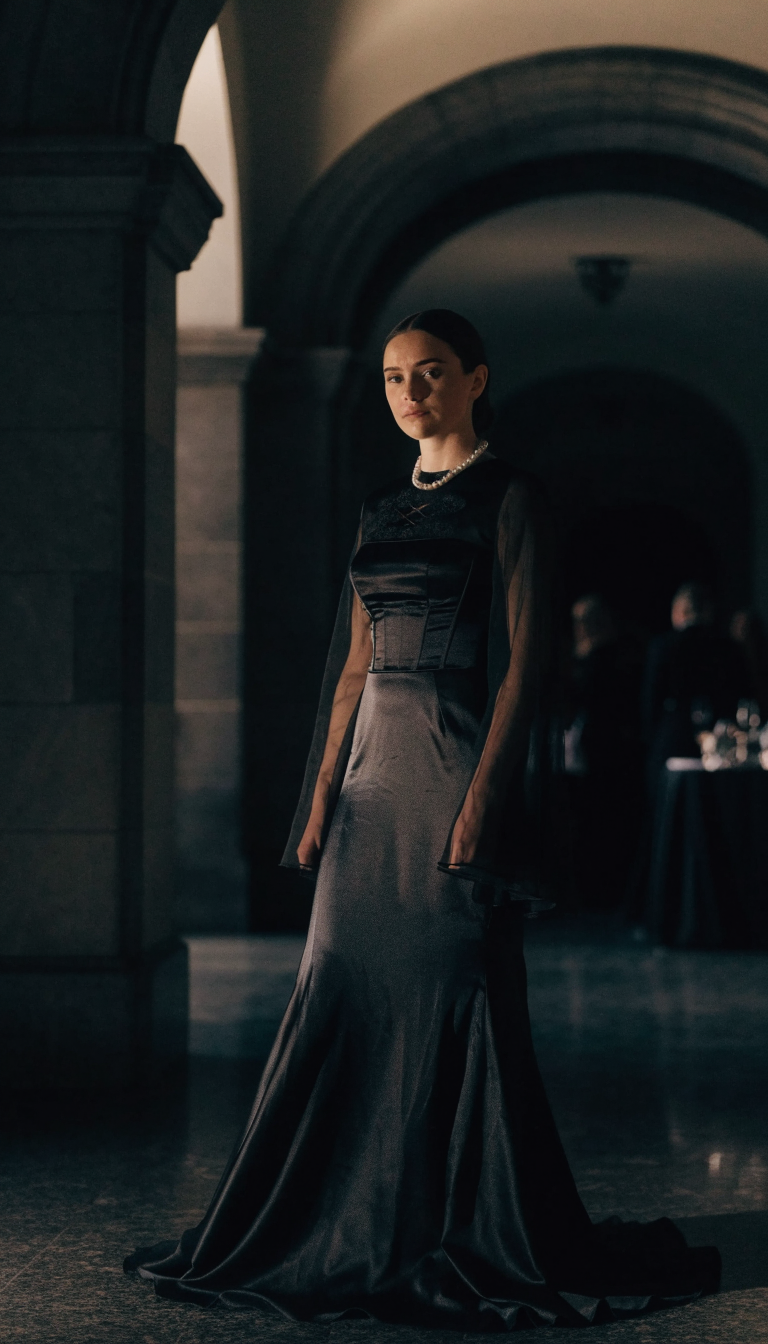
- Formal evening fit: Black reads strongest under controlled lighting; outdoor daytime ceremonies can make the color appear heavier.
- Heat and weight: Satin traps more warmth than tulle; prioritize breathable lining if the reception involves dancing.
- Family presentation tip: Show the full look with accessories early so expectations align before the order is placed.
Pants and One-Piece Alternatives
5. Wide-Leg Crepe Jumpsuit
A wide-leg crepe jumpsuit moves freely for walking, stairs, and dancing while still offering a continuous silhouette that reads intentional. Matte crepe drapes without shine and hides small construction marks better than satin during alterations. Many versions include a soft drape at the neckline or light sleeve detail so the piece feels elevated rather than everyday. It works especially well for courthouse ceremonies, city elopements, or destination days that involve travel and changing locations. The absence of a hem to manage makes restroom and car transitions simpler once the inseam is set.
- Courthouse and city ease: Wide legs clear steps and pavement without catching, and the fabric stays neat after sitting.
- Dance-floor comfort: Crepe breathes better than structured satin; test full arm movement and sitting in the exact shoes.
- Tailoring note: Inseam and waist adjustments are common; confirm the fabric has enough give before final cutting.
6. Tailored Bridal Suit
A structured blazer and wide-leg trouser set in silk or crepe offers sharp lines that photograph cleanly against modern architecture or outdoor stone. The blazer can be removed later for a lighter reception look while the trousers remain. Many brides add a soft camisole or lace top underneath so the overall outfit still carries a bridal signal when the jacket is on. The style suits daytime city ceremonies or intimate gatherings where full skirts would feel oversized. Fit depends on precise shoulder and waist measurements, so multiple fittings are typical.
- Layering flexibility: The jacket comes off easily once photos are finished, giving a second silhouette without a full change.
- Shoulder and arm test: Raise arms and turn fully; structured fabric can pull if the armhole is too high.
- Alteration complexity: Tailored pieces often need more precise work than flowing gowns; start fittings early.
7. Jumpsuit with Detachable Overskirt
The base jumpsuit handles movement and practical transitions while a removable overskirt adds volume and length for the ceremony aisle. Lightweight tulle or silk organza works best for the skirt so it attaches and detaches quickly without heavy hardware. Crepe or soft satin for the jumpsuit keeps the foundation comfortable once the skirt comes off for dinner and dancing. Many versions use simple ties or buttons at the waist so the change takes only a minute or two. The combination suits weddings with both a formal moment and a long reception.
- Quick-change practicality: Test the attachment method standing and seated so the skirt releases cleanly without help.
- Two-look value: One order covers both ceremony presence and reception freedom, reducing the need for a separate outfit.
- Fabric weight balance: Keep the overskirt light so it does not pull the jumpsuit waistband during the processional.
Shorter and Playful Lengths
8. Tea-Length Crepe Dress
A tea-length hem ending mid-calf keeps the dress wearable for outdoor paths, garden steps, or long seated dinners without dragging. Soft crepe or fluid silk holds a clean line and resists heavy wrinkling better than chiffon. A simple A-line or slight full skirt adds movement without volume that catches on furniture. Many brides choose this length for daytime or destination ceremonies where practicality matters as much as the look. The shorter hem also makes shoe choice more visible, so the exact pair should be worn at every fitting.
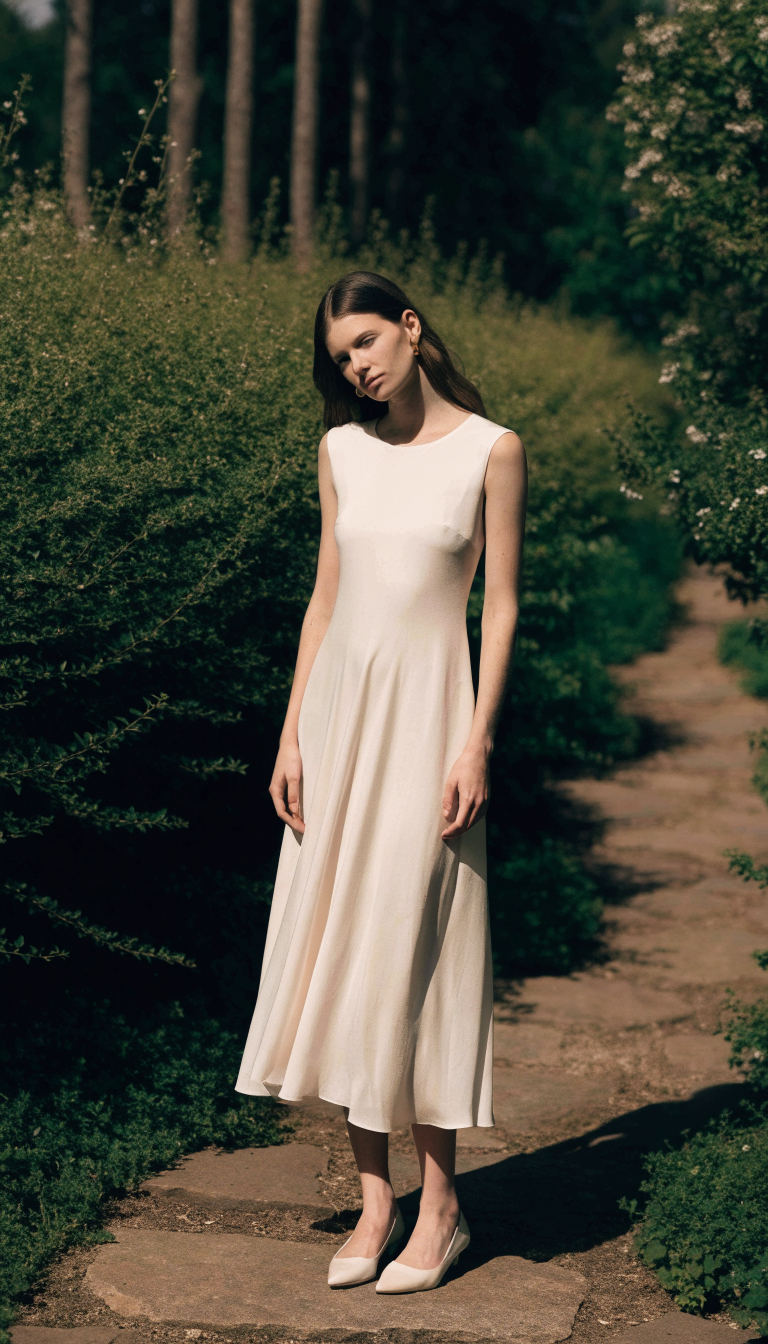
- Outdoor path practicality: The hem clears grass, gravel, and low steps more easily than floor-length fabric.
- Sitting clearance: Sit fully during the fitting to confirm the hem does not rise too high or bind at the knee.
- Shoe pairing note: Heel height directly affects the final length; bring the wedding shoes every time.
9. Mini Dress with Cape or Train
A structured mini in mikado or crisp satin pairs with a detachable cape or short train that adds drama only for the processional. The mini itself stays light and easy to move in once the extra piece is removed. Mikado holds shape without heavy boning, while lighter satin drapes more softly. The combination works for modern indoor venues or evening receptions where the cape can be set aside after photos. Many versions use simple snaps or ties so the change is quick.
- Processional drama: The cape or train creates length and movement down the aisle, then comes off for comfort later.
- Fabric structure: Mikado resists limpness better than soft satin once the extra layer is removed.
- Attachment test: Walk and sit with the cape on to confirm it does not catch or shift during the ceremony.
10. High-Low Hemline Gown
A high-low hem keeps the front shorter for easier walking and dancing while the back creates a soft train effect. Fluid chiffon or lightweight crepe moves well and photographs with gentle flow rather than stiff volume. The style suits garden or beach ceremonies where full floor-length fabric would collect sand or grass. Many versions include light lining so the shorter front remains opaque when moving. The uneven hem requires careful measurement so the front and back lengths balance correctly in the final shoes.
- Beach or garden movement: The front clears uneven ground while the back still trails lightly for photos.
- Dance and step ease: Shorter front length reduces tripping risk once the reception starts.
- Hem precision: Measure both front and back with the exact shoes; uneven ground can change how the length appears.
Separates and Modular Looks
11. Corset and Skirt Two-Piece
A structured corset top paired with a separate flowing skirt lets the wearer mix sizes or fabrics and change the skirt later if desired. Soft boning in the corset provides support without a full rigid cage, while a silk or crepe skirt moves independently. The two pieces can be ordered in different sizes for a closer fit at the waist and hips. Many brides choose this for outdoor or destination days where a single heavy gown would feel restrictive. The modular construction also simplifies alterations because each piece can be adjusted separately.
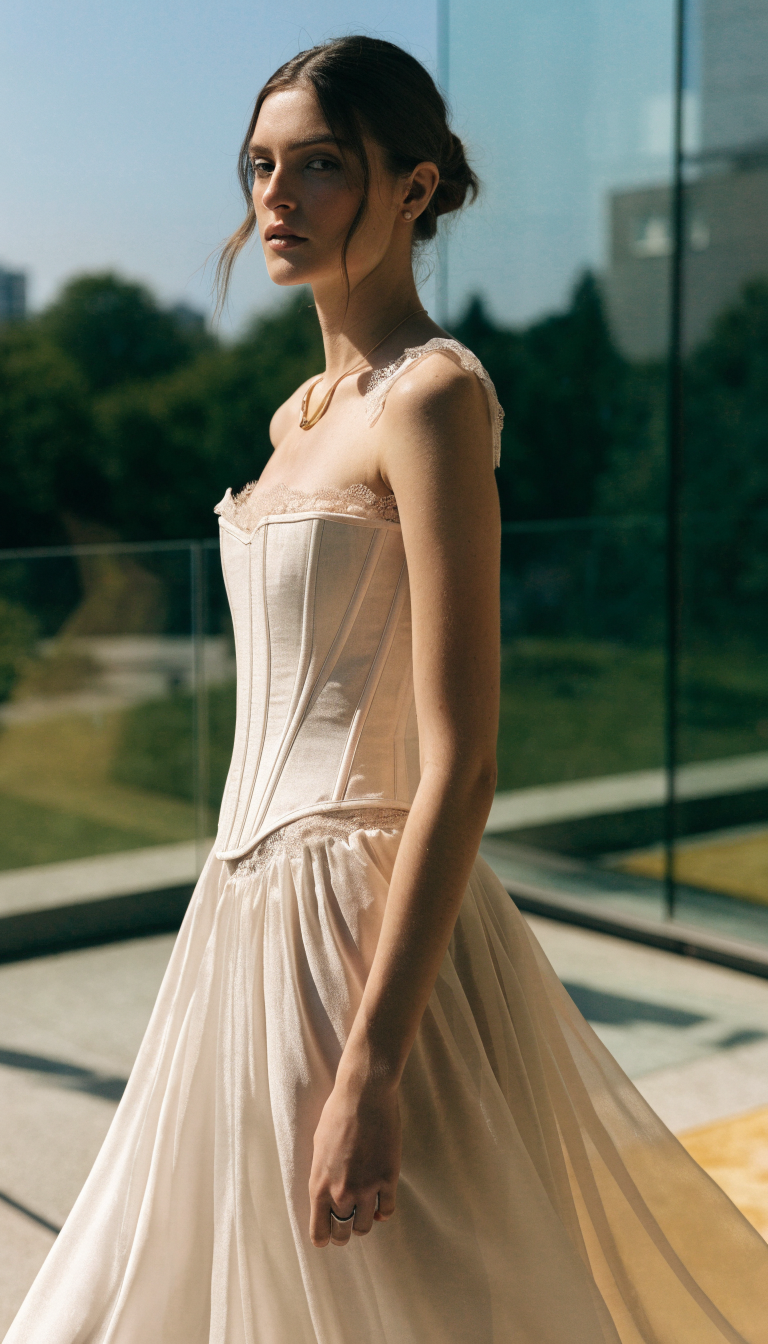
- Independent sizing: Tops and bottoms can be ordered or altered to different measurements for better overall fit.
- Reception switch option: A second, lighter skirt can be swapped in after the ceremony without changing the top.
- Support check: Test the corset standing, sitting, and reaching; light boning should hold without digging.
12. Bustier with Trousers
A lace or structured bustier paired with wide-leg silk trousers offers a tailored look that still carries bridal detail through the top. The trousers provide full coverage and easy movement while the bustier adds shape and a clear ceremonial signal. Soft silk or crepe trousers drape cleanly and breathe better than heavier suiting fabrics. The combination suits daytime or city ceremonies where a full skirt would feel oversized. Many versions allow the bustier to be worn with a different bottom later if the trousers are set aside.
- City and daytime ease: Trousers clear pavement and steps without the management of a train or full hem.
- Bra compatibility: Most bustiers include built-in structure; confirm the level of support during the first fitting.
- Separate alteration path: Each piece can be adjusted independently, which often reduces overall timeline pressure.
13. Knit or Soft Two-Piece for Cooler Weather
A soft knit top or light sweater paired with a flowing tulle or crepe skirt works for cooler outdoor or winter ceremonies where bare arms would feel uncomfortable. The knit adds warmth and texture without bulk, while the skirt keeps the lower half light and mobile. Many versions use natural fibers or soft blends that breathe better than heavy wool. The style suits mountain, garden, or intimate indoor settings where the temperature drops after sunset. It also travels more easily than a single structured gown.
- Cool-weather layering: The knit top provides coverage that a strapless gown cannot, while still pairing with a bridal skirt.
- Texture and movement: Soft knit moves with the body; test arm raise and sitting so the top stays in place.
- Travel practicality: Separate pieces pack more easily and wrinkle less than a single floor-length gown.
Modern Minimal and Texture Plays
14. Bias-Cut Silk Slip Dress
A bias-cut silk slip skims the body with fluid drape and minimal structure, creating a clean line that photographs softly under any light. Lightweight silk or silk-blend fabric moves easily for walking and dancing yet shows undergarment lines if the lining is too sheer. Many versions include thin straps or a simple cowl neck so the focus stays on the fabric’s movement. The style suits intimate indoor ceremonies, evening receptions, or elopements where comfort and ease matter more than volume. It requires careful pressing and can crease during travel, so steaming close to the event is typical.
- Fluid movement check: Walk and turn fully; bias cuts cling and release differently depending on body shape and undergarments.
- Lining opacity: Test under bright light; some silks need an additional slip layer to stay opaque when moving.
- Care and travel: Silk wrinkles readily; plan for professional steaming rather than home ironing.
15. Architectural Mikado or Structured Mini
Crisp mikado or lightly structured satin holds geometric lines and sharp edges that create a modern, sculptural effect. A mini or knee-length cut keeps the volume controlled while the fabric’s stiffness maintains shape without heavy boning. The style works for modern indoor venues or evening events where the clean silhouette reads clearly in photos. Many versions include a single bow, asymmetric neckline, or clean square neck so the architecture stays the main feature. Alterations focus on precise hemming and seam placement because the fabric shows every adjustment.
- Shape retention: Mikado holds edges and volume better than soft crepe once the dress is worn for several hours.
- Sitting and edge test: Sit and stand repeatedly; structured fabric can crease or pull at the hem if the cut is too tight.
- Alteration precision: Visible seams and hems require careful work; confirm the tailor has experience with stiff fabrics.
16. Fringe or Textural Boho Gown
Soft fringe, layered lace, or light embroidery adds movement that catches light and air without relying on full traditional volume. A lightweight base fabric such as chiffon or soft tulle keeps the overall weight manageable for outdoor ceremonies. The texture works especially well for garden, beach, or open-air settings where wind creates natural motion. Many versions keep the bodice simple so the fringe or detail remains the point of interest. The style suits daytime events where the fabric can move freely rather than sitting under heavy lighting.
- Wind and movement: Fringe or soft layers respond to air; test outdoors or with a fan so the effect is intentional rather than distracting.
- Heat and layers: Multiple soft layers can still trap warmth; prioritize open backs or light sleeves if the venue is warm.
- Care during wear: Delicate fringe can snag; confirm the construction is secure enough for dancing and sitting.
17. Sheer Illusion with Graphic Details
A nude or soft illusion base covered with a graphic pattern of pearls, beads, or fine lace creates coverage where needed while keeping the overall effect light and modern. The sheer areas stay breathable, and the denser pattern provides opacity without heavy lining. Many versions use a simple column or soft A-line so the graphic detail leads the design. The style works for evening or indoor ceremonies where controlled lighting highlights the pattern. It requires careful undergarment selection because the base is translucent until the pattern density increases.
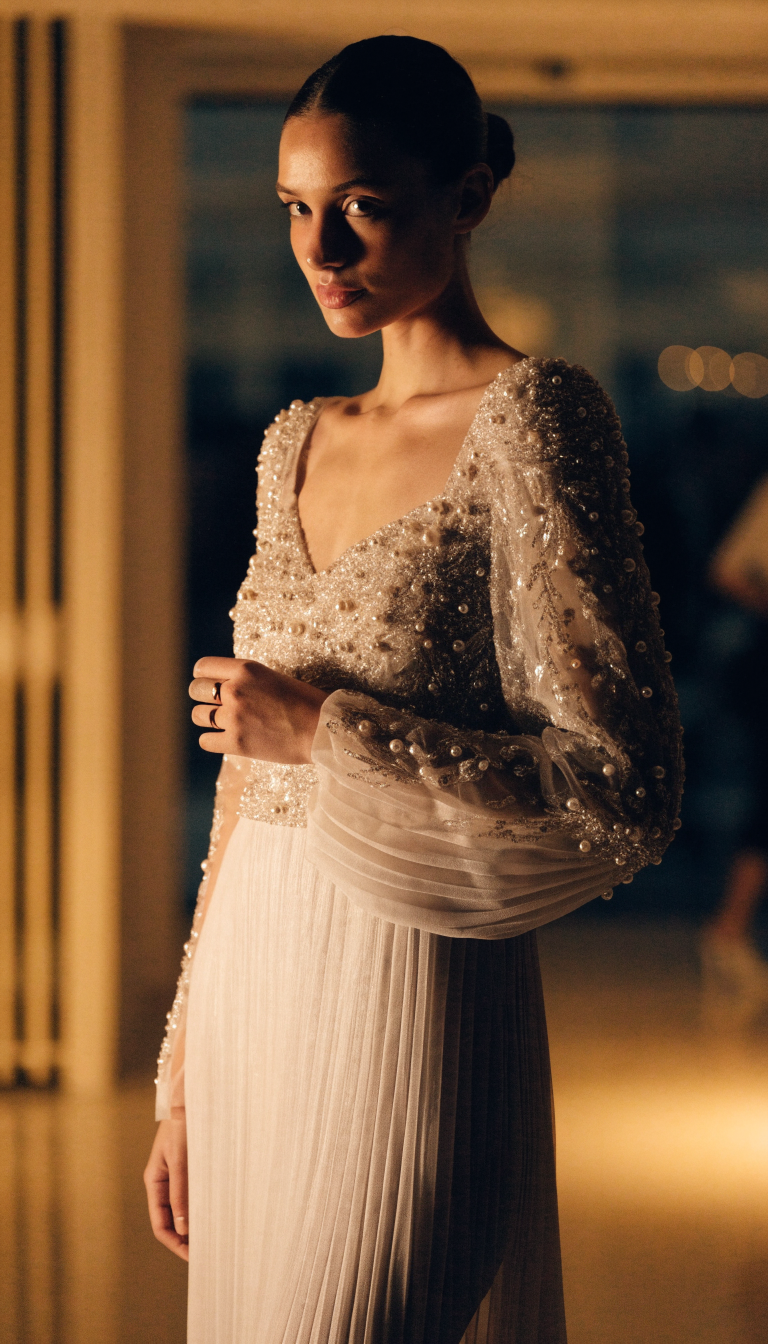
- Coverage and opacity: Test under the actual venue lighting; denser patterns cover more effectively than sparse ones.
- Breathability advantage: Illusion fabric stays cooler than fully lined satin while still offering structure through the pattern.
- Undergarment match: Seamless nude pieces usually work best; bring options to the fitting so lines stay invisible.
Narrow the list by testing two or three finalists in the exact shoes, undergarments, and approximate lighting of the venue. Bring a friend or partner who can watch you sit, walk, and raise your arms, and schedule the first fitting with enough time for any custom or alteration work. Most non traditional pieces still benefit from the same early ordering window as classic gowns when they are made to order.
FAQ
How far in advance should a non traditional wedding dress be ordered? Made-to-order pieces commonly require several months, similar to traditional gowns. Off-the-rack or sample options can move faster, but still leave time for alterations.
Can a jumpsuit or two-piece set still feel bridal? Yes, when the fabric, a veil, a cape, or a clear ceremonial detail is kept. Many couples add one traditional signal so the look registers for photos and guests.
Do shorter or colored dresses need special alterations? Hem length, inseam, and color matching of any added panels still matter. Darker fabrics often hide small adjustments better, while structured fabrics like mikado require more precise work.